
Baking with jaggery: how to use gur in cakes, cookies and muffins
Jaggery powder bakes like brown sugar with a stronger voice. The swap, the four adjustments that matter and the bakes it suits best.
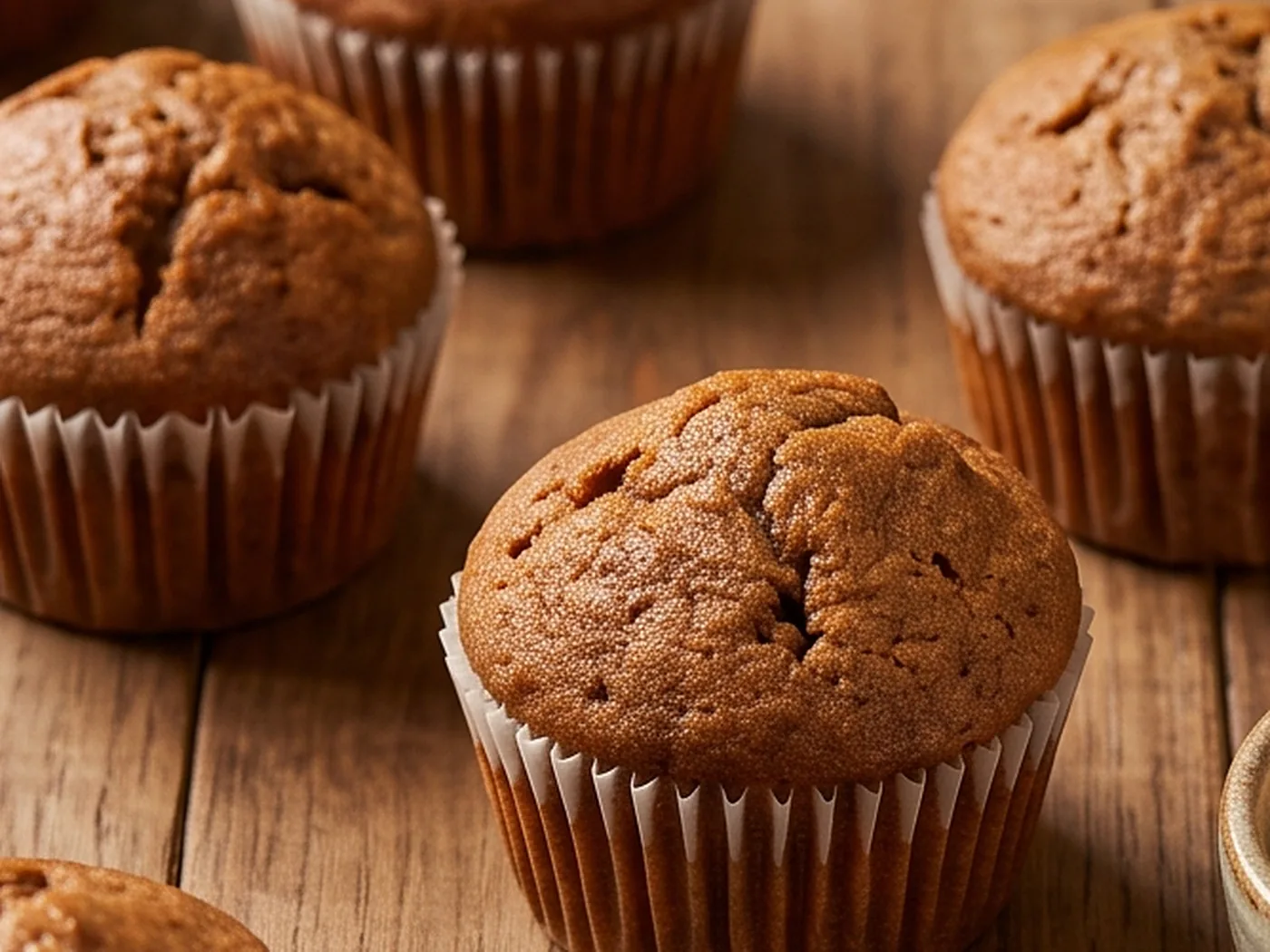
In short: Use jaggery powder in place of white or brown sugar, gram for gram. It behaves like brown sugar: it adds moisture, colour and a caramel taste, and it browns sooner. Sift it, hold back a tablespoon of liquid for each cup, bake about 10°C cooler and expect a darker, softer crumb.
The swap
Replace the sugar in a recipe with the same weight of jaggery powder. If the recipe is in cups, use the same number of cups: a level cup of our powder is about 200 g, which is close to a cup of sugar. The weights are in jaggery measurements.
Four adjustments that matter
- Sift it first. Jaggery powder can hold small soft lumps. Pass it through a sieve, or whisk it into the wet ingredients until it has dissolved, so the crumb has no dark spots.
- Hold back a little liquid. Gur carries more moisture than white sugar. Keep back about a tablespoon of the milk or water for each cup of gur, and add it only if the batter looks stiff.
- Turn the oven down. Jaggery browns sooner than sugar. Bake about 10°C cooler than the recipe says, a few minutes longer, and cover the top loosely with foil if it darkens before the centre is done.
- Give it a pinch of soda. Gur is slightly acidic. If a recipe uses only baking powder, a pinch of baking soda helps the rise, the way it does with brown sugar or curd.
Dissolving gur in milk
Eggless recipes often ask you to dissolve the sweetener in warm milk. With gur, use lukewarm milk rather than hot, or dissolve it in the water or oil instead. If the milk does split slightly, carry on: in a batter it behaves like buttermilk and the cake is none the worse.
What it suits, and what it does not
| Works well | Works with care | Use sugar instead |
|---|---|---|
| Whole wheat and atta cakes | Sponge cakes (darker, a little denser) | Meringues and macarons |
| Banana bread, carrot cake | Crisp cookies (bake longer, cooler) | White or pale sponges |
| Muffins, date and nut loaves | Caramel and toffee (burns fast) | Angel cake |
| Oat, ragi and millet cookies | Pie fillings (taste the mix first) | Royal icing |
What to expect
- Colour: a deep golden to brown crumb, even in a vanilla cake.
- Taste: caramel and a little earthiness. It is lovely with cardamom, cinnamon, ginger, nuts, banana and coffee.
- Texture: softer and more moist, and cookies that are chewy rather than snappy.
- Keeping: bakes stay moist a day or two longer.
A good first bake is our jaggery and whole wheat muffins: one bowl, no creaming, and the batter forgives a heavy hand.
Questions people ask
- Can I use jaggery instead of sugar in baking?
- Yes. Replace the sugar with the same weight of jaggery powder. Sift it, reduce the liquid slightly and bake about 10°C cooler, because gur browns sooner.
- How much jaggery replaces 1 cup of sugar in a cake?
- One cup of jaggery powder, about 200 g. Hold back a tablespoon of the liquid in the recipe.
- Is jaggery the same as brown sugar in baking?
- It behaves the same way and can be swapped gram for gram. Jaggery has a stronger caramel taste and gives a darker crumb.
- Why did my jaggery cake turn dense?
- Usually too much liquid, or lumps of undissolved gur. Sift the powder, hold back a tablespoon of liquid per cup, and add a pinch of baking soda.
- Can I use block jaggery for baking?
- Grate it finely and weigh it, or melt it in the recipe’s liquid and strain it. Powder is easier because it measures like sugar and has no hard pieces.